Media release: Food rescue volunteers are already telling food rescue organisations they may not be able to keep showing up
Friday 20 March 2026
Finance Minister Nicola Willis said this week she does not want to see New Zealanders unable to drive to work because they cannot afford fuel. The Aotearoa Food Rescue Alliance (AFRA) has asked the Government to extend that same protection to the thousands of volunteers who drive themselves to food rescue shifts every week: unpaid, unreimbursed, and at risk of being unable to keep going.
Before the fuel crisis even began, AFRA members were facing record levels of demand, working to short and often inadequate funding cycles, and very tight operating budgets. Now, they risk losing the volunteer workforce the food rescue network depends on. Food rescue organisations are extraordinarily resourceful and their volunteers are deeply committed. They will find ways to keep going, but the cost of doing that should not keep falling on the people who are already giving so much.
Food rescue is critical infrastructure. Every day, across Aotearoa, food rescue organisations collect kai that would otherwise go to landfill and redistribute it directly to families and communities who need it most. Demand was already at record levels before the fuel crisis. Food prices are up 4.5% in the year to February. Mince has recorded its largest ever price rise since records began.. Every week, more New Zealanders are turning to food rescue for the first time. The organisations doing this mahi were already stretched, but they are now being squeezed from every direction at once.
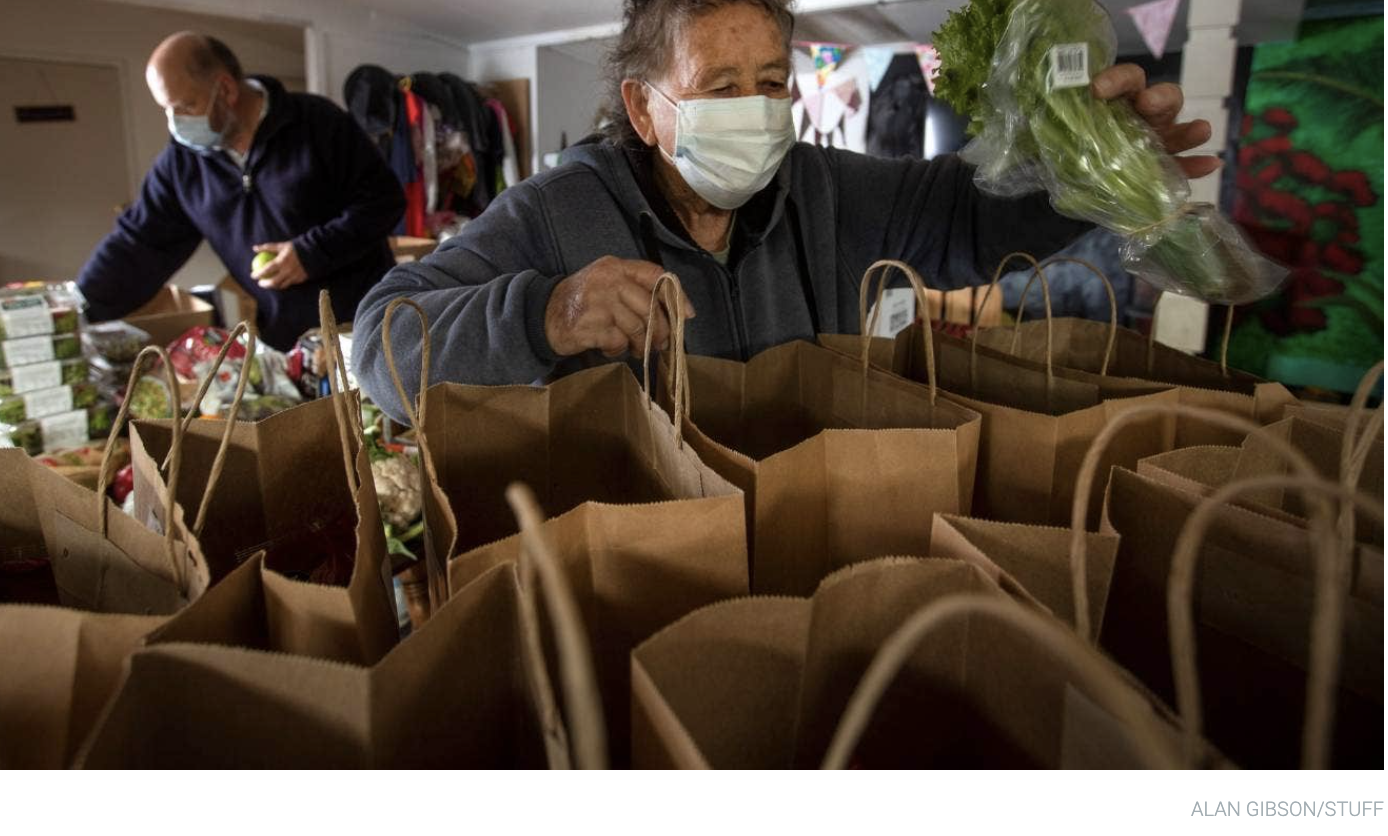
Food rescue facilities are usually large sites located in industrial or semi-rural areas, where the warehouse spaces this work requires are available but public transport is not. Many food rescue volunteers are older people, often retired, on a fixed income who drive themselves to these locations at their own expense, sort and prepare kai donations, and drive home again. They are not paid. They are not reimbursed for fuel, despite many driving long distances to get to and from work. Since the crisis began, fuel costs have risen by more than 55 cents per litre. Those increased costs fall on people who were already giving their time and petrol for free, making volunteer work even less financially viable.
Food rescue organisations run their own vehicle fleets to distribute donations and deliver kai to communities across their regions, but fuel cost increases are hitting hard. Combined with rising costs across every other part of their operations, and funding that has not kept pace with the growth in demand, many organisations are being challenged by a situation where they cannot operate at the scale this crisis requires.
Food rescue organisations and their volunteers are committed to keeping the system working, and they will go to extreme lengths to continue to do what is required to achieve that. They always have, and most likely always will. However if volunteers are spending money they cannot afford just to keep showing up, and if organisations are burning through reserves to keep their fleets on the road, that is not a sustainable response to a crisis that may last for months. The cost of keeping food rescue running should not fall on the people least able to carry it, at exactly the moment more New Zealanders than ever are depending on food rescue to get through the week.
AFRA has written to the Government this week with four specific requests:
- Formal recognition of food rescue organisations as critical service providers under the National Fuel Plan, with priority access to fuel and exemption from any driving restrictions.
- Formal recognition of food rescue volunteers as essential workers in any relief or rationing framework, with travel costs included in targeted support mechanisms.
- Inclusion of AFRA and food rescue networks in the co-design of any cost-of-living relief.
- An EV rebate or purchase subsidy for food rescue charities as part of any longer-term resilience package.
Minister Willis has said she hopes to have a relief package in place before this year’s Budget. If the government wants targeted help for families, the food rescue network is ready to help achieve that goal. Food rescue organisations and their volunteers are doing everything they can to keep showing up for the communities. The Government needs to ensure they can continue to do so.
***ENDS***